
89v vs 89h: Understanding the differences and uses
When looking into tires, especially for cars, there are often specifications such as 89v vs 89h, which explain important aspects of the vehicle's performance and safety. These codes are part of the tire name and show the conditions each model can support. Knowing the differences between these terms helps the user make better choices when buying tires, ensuring better performance and proper use.
Although the code 89v vs 89h is often understood as a simple distinction, it must be known that it is an important part of tire safety and lifespan. The code 89 explains the load capacity, and the letter V or H explains the maximum speed allowed for that tire speed rating. So, the code 89v vs 89h is not used only as a name, but also by manufacturers so that use is proper and safe.
Let's show the differences between 89v and 89h so that it can be understood.
Are there differences between 89v and 89h for the tire market 96a.
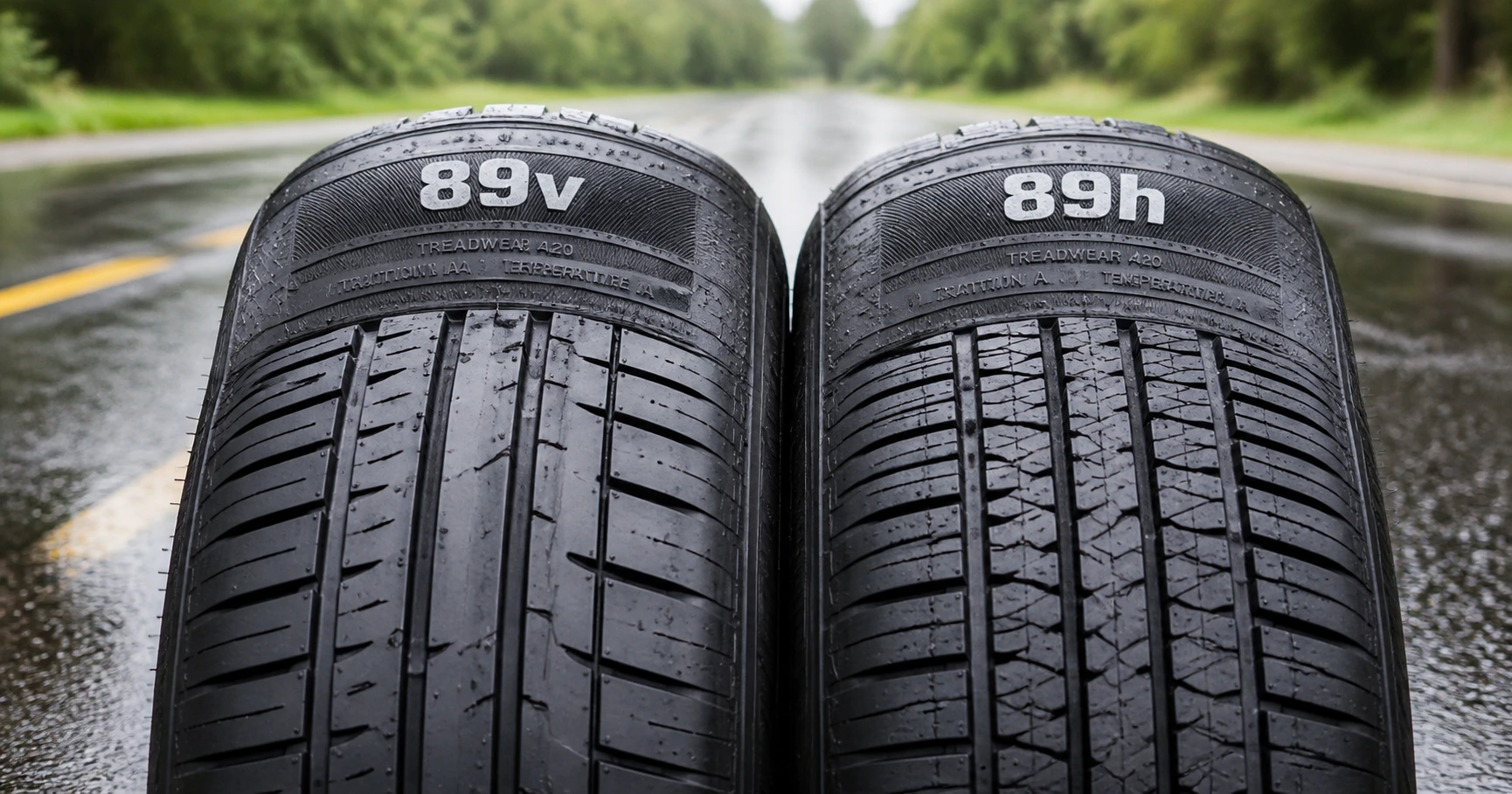
More precisely, the 89v code gives a maximum speed of 240 km/h, while the 89h gives a maximum speed of 210 km/h, with the same load capacity, 580 kg for each tire. For tires such as tire 205/55 r16 89h, this code is a precise guideline for life and safety in city or highway use. For tires with 205/50 r17 89h m+s, this code finds the same load capacity and speed as 89h, but with an M+S code for driving on rough and wet roads.
Changing the letters and numbers in the 89v and 89h code
The numbers and letters in the tire code explain important technical specifications:
- 89 : load index, which indicates the maximum weight supported by the tire. Index 89 is 580 kg for each tire.
- V : speed index, which shows the maximum speed at which the tire can safely run, in this case up to 240 km/h.
- H : another speed index, supporting up to 210 km/h.
So, the difference between 89v vs 89h is in the maximum speed allowed for each tire, while the load capacity remains the same. The 89 code is a dense load index, which helps you know how much weight the tire can support, and so the load capacity matters for a given tire.

The letter V or H will be an important part for road safety and for the type of use the tire will have. For tires with continental 195/60 r16 89h, this code gives a precise example of the load and speed capacity allowed for a tire model known for its stability and safety on city roads.
Knowing the 89v vs 89h code also helps in choosing the best tires for your car, since the maximum allowed speed can be an important factor in use because it can be an important thing for safety or tire life.
Practical uses of the 89v and 89h models
The 89v tires are made for cars that require high speed performance, such as sports cars or powerful cars for high-speed driving. The 89h is more suited for cars that do not go at high speed, emphasizing comfort and safety for city and highway use.
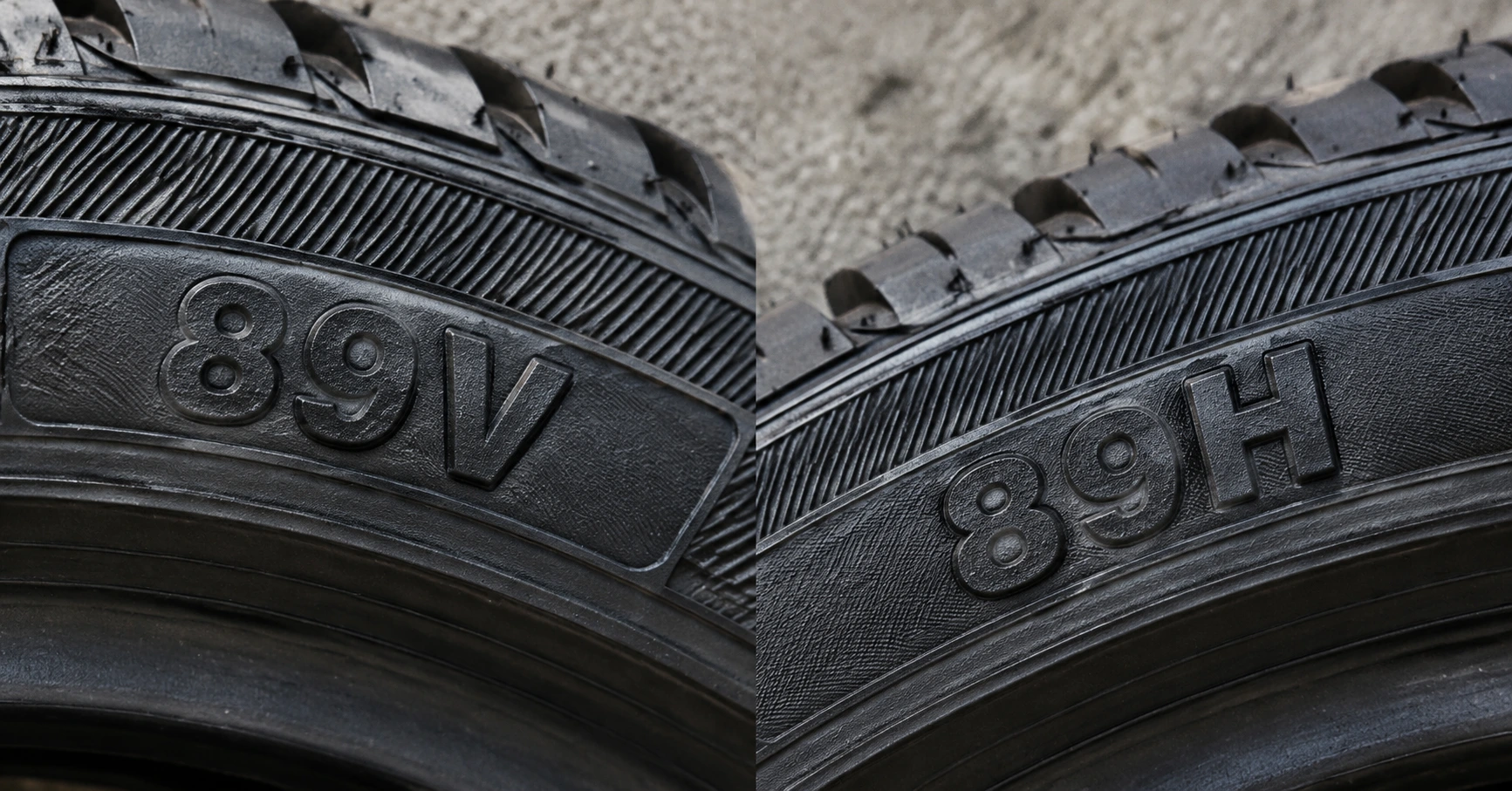
This choice affects tire safety and life, because using a tire with a lower speed rating than required can create wear and add risks at high speed. For example, a tire tire 205/55 r16 89h will be better for city and highway use, while a 89v model will be better for high-speed driving on larger roads.
Using tires with the 89v vs 89h code can be a choice for those looking to be safe and ready for high-speed driving, but it is necessary to know that tires must be chosen according to the type of use and safety. Tires with the 89h code are also known for their stability on wet roads and in the city, like tires 205/50 r17 89h m+s that are good for driving in difficult and wet conditions.
With tires continental 195/60 r16 89h, you get a stable and safe option for city and highway use, with good load capacity and safety on difficult roads. These tires are a good example of the 89h code used by a well-known manufacturer for city use.
Examples of tires with 89h and 89v code
See well-known examples in the larger market that explain the differences between 89v vs 89h :
| Tire | Code | Load index (kg) | Speed index (km/h) | Allowed use |
|---|---|---|---|---|
| Tire 205/55 R16 89h | 89h | 580 | 210 | Small and powerful car |
| Kousked 205/50 R17 89h M+S | 89h | 580 | 210 | Mixed use, with traction in difficult conditions |
| Continental 195/60 R16 89h | 89h | 580 | 210 | City and bike use, stability and safety |
| Kousked 205/55 R16 89v | 89v | 580 | 240 | Sports car and powerful car for high-speed driving |
| Kousked 225/45 R17 89v |